Overview
A campaign platform built around measurable referral reach
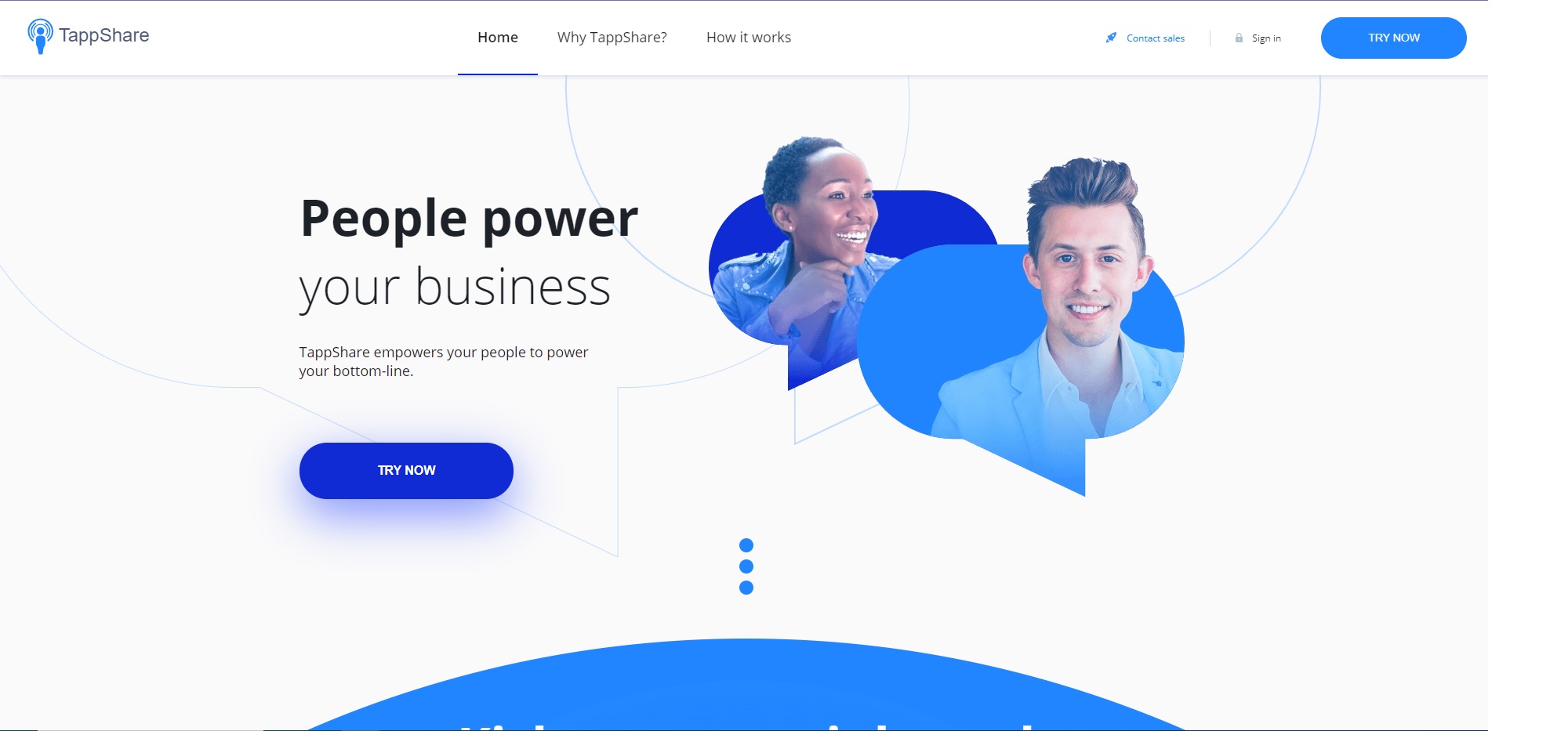
The product let businesses and their employees create campaigns, distribute them through WhatsApp, and monitor engagement and performance through a centralized dashboard. The challenge was not only shipping features, but making the frontend sustainable enough to keep supporting product growth.
Challenge
Frontend velocity was being constrained by technical debt
- A large untyped JavaScript codebase made changes harder to reason about.
- The frontend had no automated tests, so regressions were easier to introduce.
- Tightly coupled components increased the cost of even routine product changes.
- As the platform evolved, maintenance and feature delivery were becoming slower and riskier.
Approach
Improve the codebase incrementally while the team kept shipping
- Drove a gradual modernization effort instead of attempting a risky full rewrite.
- Progressively converted JavaScript files to TypeScript during active feature work.
- Introduced automated tests alongside refactored modules to improve safety.
- Split large components into smaller reusable pieces to reduce coupling.
Contributions
Structural changes that raised the frontend baseline
- Worked as Frontend Lead on the platform architecture and delivery flow.
- Introduced incremental TypeScript adoption across the frontend codebase.
- Improved maintainability of large frontend modules through targeted refactors.
- Added testing practices to previously untested areas of the product.
- Refactored oversized components into more reusable systems.
- Helped establish a more scalable frontend foundation for future growth.