Overview
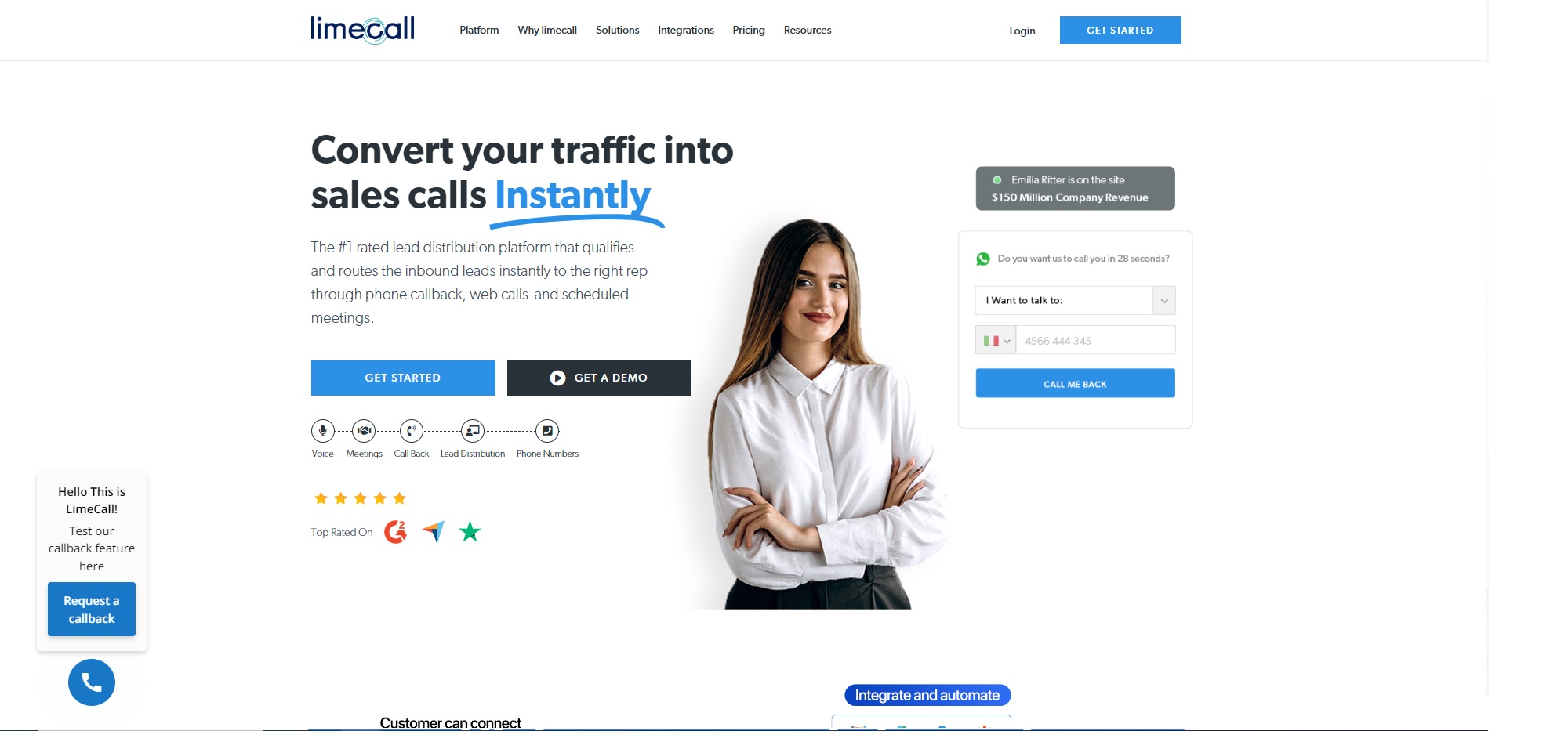
A platform built around instant lead engagement
The product helped businesses engage website leads in real time through live chat and conversation management tools, making it easier to move prospects toward sales calls. The core frontend challenge was keeping the messaging experience fast, reliable, and maintainable as real-time usage expanded.
Challenge
The chat system was doing too much work for every update
- The real-time conversation system had grown difficult to maintain as chat complexity increased.
- The frontend kept reprocessing entire conversation datasets, creating rendering inefficiencies.
- Socket updates were sending full conversation payloads even when only small message updates changed.
- As conversation volume increased, the result was unnecessary re-renders, UI inconsistencies, and weaker chat responsiveness.
Approach
Rebuild the conversation flow around targeted updates
- Reorganized the conversation architecture into smaller isolated frontend components.
- Reduced unnecessary re-renders through memoization and more targeted component updates.
- Improved frontend state organization and caching behavior to make conversation handling more predictable.
- Updated only newly received messages instead of replacing full conversation objects.
- Introduced unique conversation identifiers to prevent UI state conflicts.
- Improved socket lifecycle management so connections did not stay active unnecessarily while switching conversations.
Contributions
Frontend changes that improved both speed and reliability
- Refactored the real-time chat frontend architecture.
- Improved rendering performance for live conversations.
- Optimized WebSocket data handling for more efficient updates.
- Reduced unnecessary UI updates and re-renders across the chat flow.
- Improved conversation state isolation and consistency.
- Enhanced maintainability of the real-time messaging system.