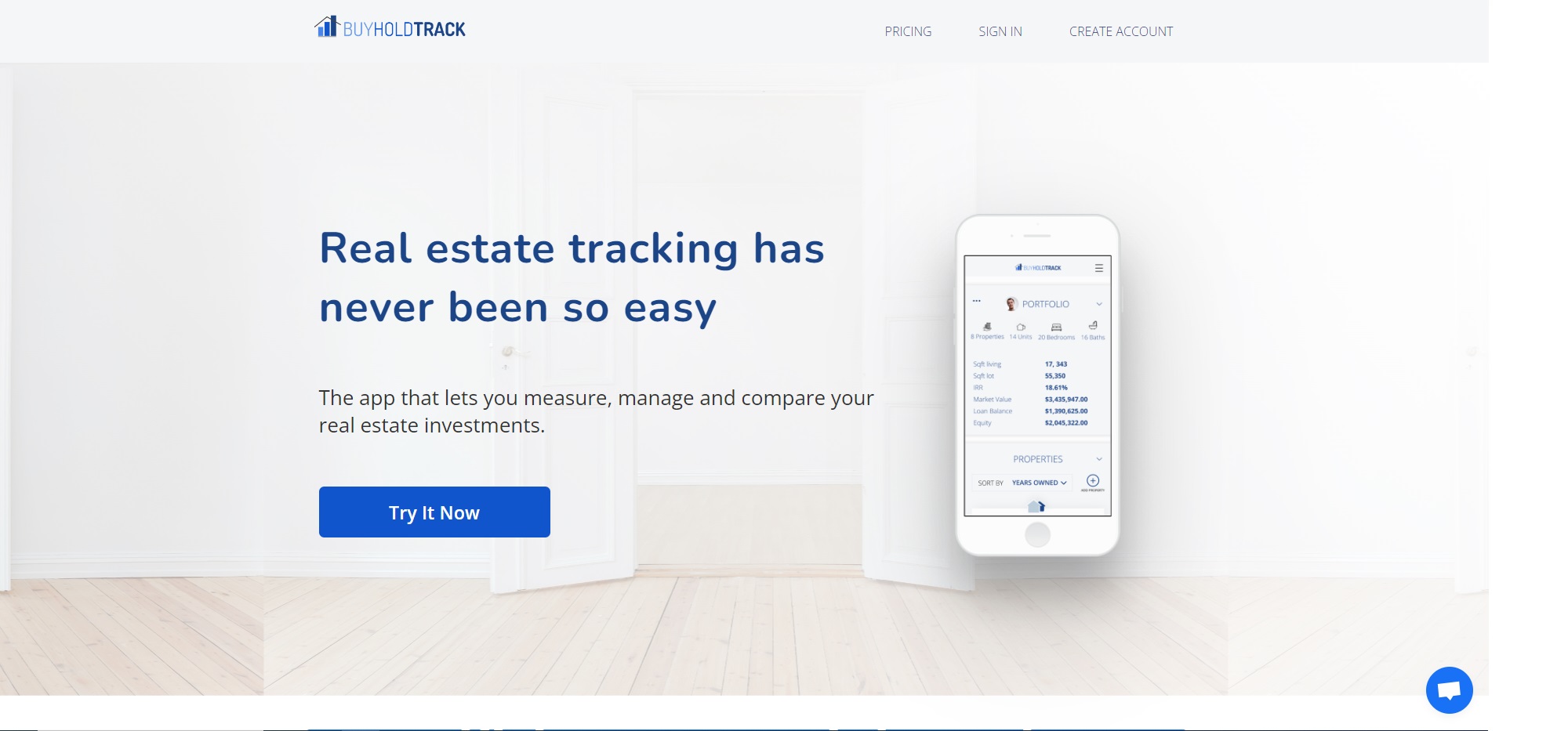
Overview
A data-driven product for long-term property decisions
The platform helped investors evaluate potential real estate investments and monitor performance over time through analytics, projections, and property tracking tools. The redesign effort aimed to raise the quality of the user experience while keeping the frontend delivery process controlled and maintainable.
Challenge
Redesign a broad product surface without creating inconsistency
- The redesign covered an established product with many interconnected pages and shared UI patterns.
- Desktop and mobile Figma designs needed to be translated consistently across a broad application surface.
- The work had to stay structured and scalable enough to ship incrementally without introducing UI inconsistencies.
Approach
Use a page-by-page rollout supported by reusable building blocks
- Structured the redesign page-by-page to keep implementation manageable and easy to deliver in phases.
- Identified reusable UI building blocks early so shared patterns could be extracted before pages diverged.
- Built components individually before assembling full screens, improving consistency and maintainability.
- Paid close attention to responsive behavior so the final UI held up across desktop and mobile layouts.
Contributions
Frontend work that improved both delivery flow and product quality
- Implemented the responsive frontend redesign from Figma across desktop and mobile views.
- Built reusable UI components and page structures to support a cleaner product system.
- Improved consistency across the product experience by extracting shared patterns early.
- Organized frontend delivery into scalable implementation phases that fit agile product work.
- Helped modernize the platform interface into a more polished production-ready experience.